Car Recovery Cost Per Mile Breakdown: Labour, Fuel & Equipment
When you find yourself stranded at the side of the road, one of the first things that comes to mind is the cost of getting your vehicle recovered. For most drivers, the car recovery cost per mile isn't something they think about until they need the service urgently. But understanding how recovery charges are calculated can make a significant difference, especially if you're concerned about unexpected costs.
In this guide, we explain each of these elements clearly, helping you make informed choices whenever the need arises.
Labour Charges: The Human Cost Behind Recovery
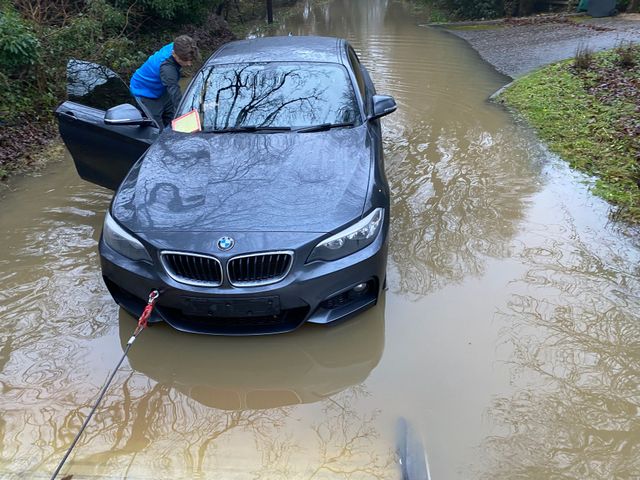
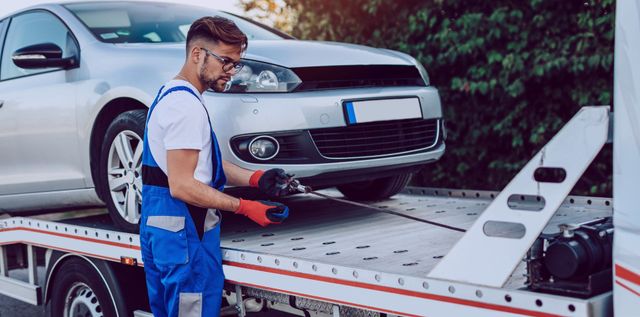
Labour is often the most significant contributor to the cost of recovering a vehicle. When a breakdown occurs, you're not just paying for the truck to arrive and tow your vehicle. You're paying for the professional expertise of the recovery operator, the time they spend attending to your vehicle, and the care they take to ensure it is transported safely. The complexity of the recovery process can influence how long the job takes. Simple callouts may only require a short hook-up and tow, but other scenarios, such as a car stuck in mud or a van off-road, may take considerably longer and require more effort.
Labour charges may also increase depending on the time and day. Emergency callouts at night, on weekends, or during public holidays often incur additional fees due to increased demand and staffing costs. Some companies also charge extra if the recovery involves waiting time, multiple stops, or coordination with third-party services like the police or local authorities.
Fuel Consumption: A Constant, Yet Overlooked Cost
Another major element that impacts pricing is fuel consumption. Recovery vehicles, especially flatbeds and heavy-duty tow trucks, use a lot more fuel than standard passenger cars. The cost of fuel is built into the pricing structure for each recovery job, and it directly affects what you pay per mile. If your vehicle breaks down far from the recovery company’s base, the cost of getting the recovery truck to you, plus the distance to your destination, will significantly influence the total charge.
For example, a recovery job in Harrow that involves towing a car to North London might be priced lower than a recovery to Hertfordshire or further afield. This is why people often search for car recovery near me prices to try and find a local operator who can reduce fuel costs and provide faster service. However, local availability and traffic conditions also play a part. A reputable company will be transparent about how fuel costs affect their pricing and should be willing to give you a mileage estimate in advance.
In addition, the state of traffic, road closures, and vehicle accessibility can affect fuel use. Longer idle times in traffic, diversions, or repeated attempts to reach your location due to unclear directions can all push the cost higher. While this isn’t something you can always control, being prepared with accurate location details and good communication can help reduce delays and therefore reduce costs.
Equipment: Why Specialised Tools Increase Charges
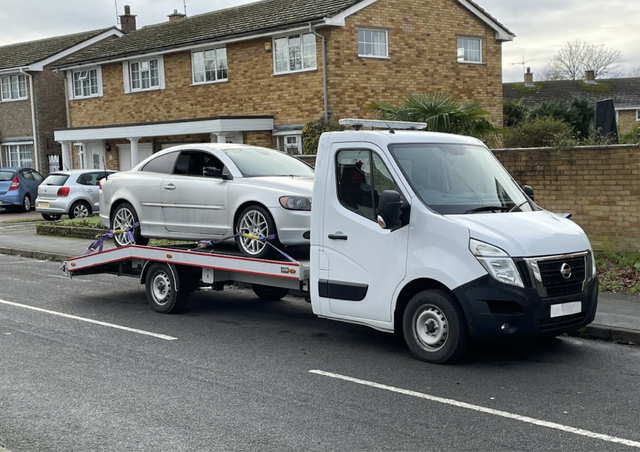
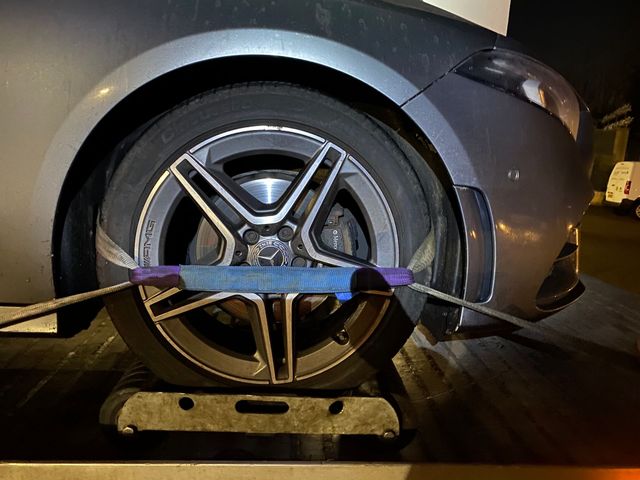
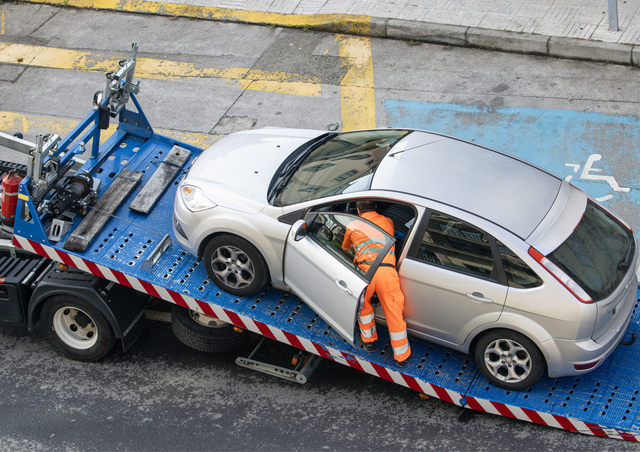
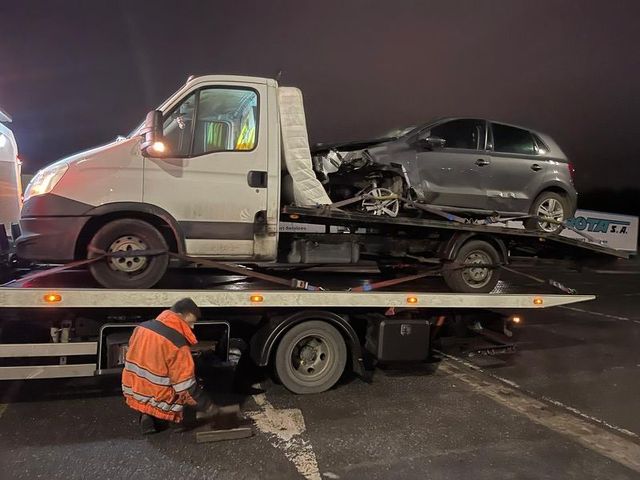
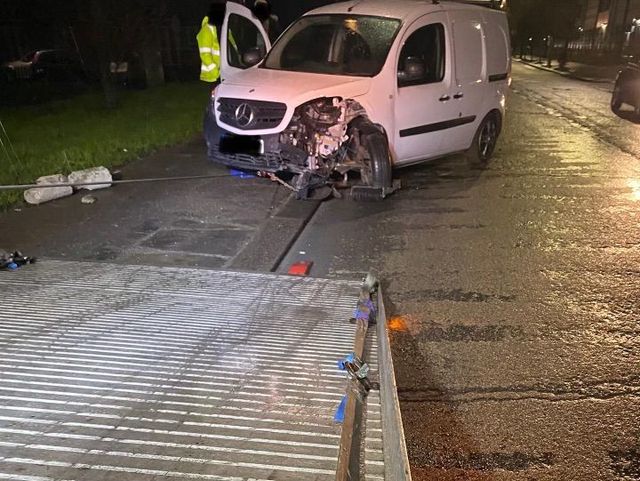
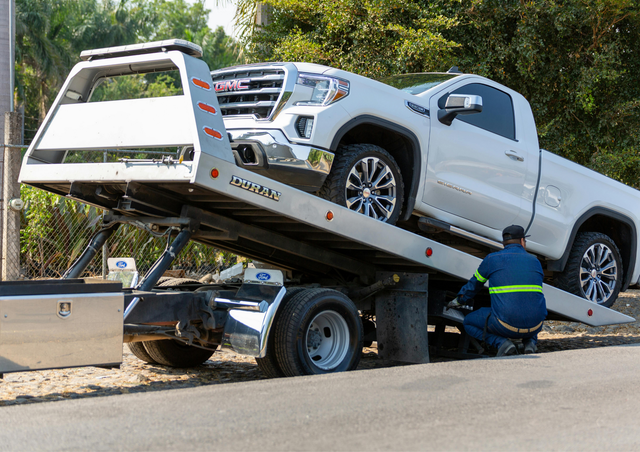
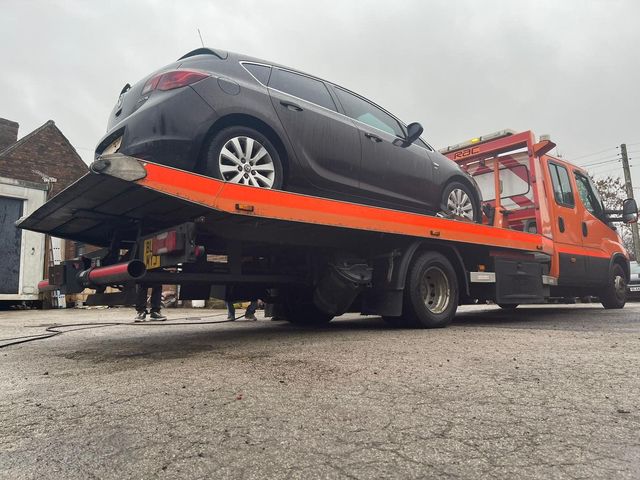
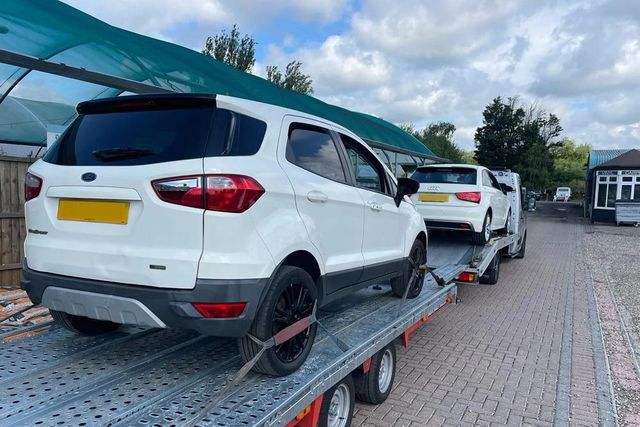
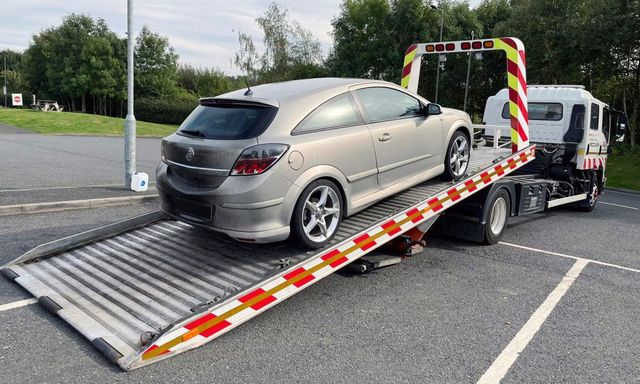
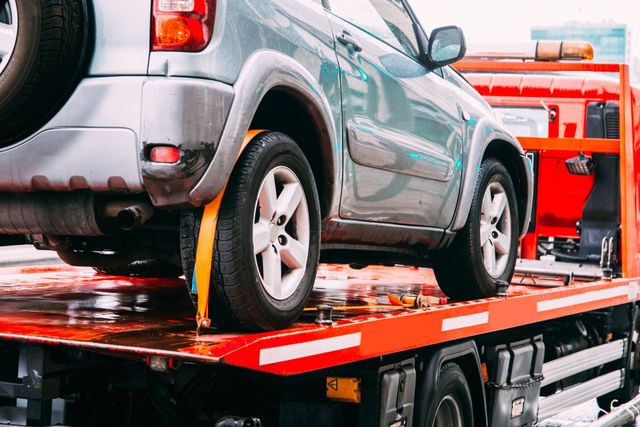
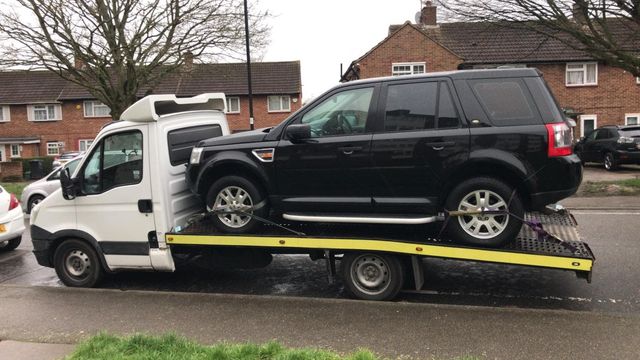
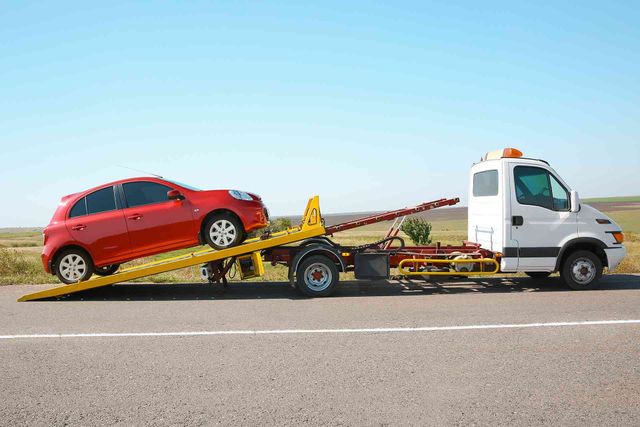
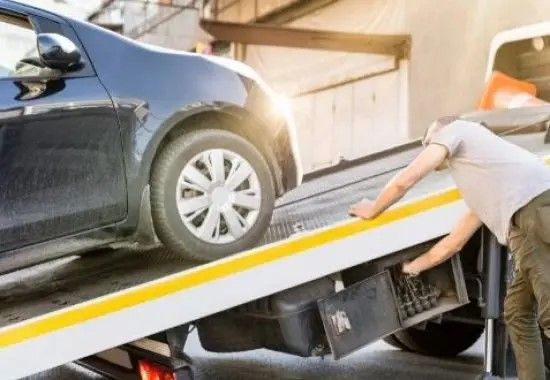
Not all recovery jobs are straightforward. Depending on your location, vehicle condition, and surrounding environment, recovery specialists may need to use specific tools or vehicles to safely handle the job. Equipment such as hydraulic lifts, wheel skates, flatbeds, or winches may be necessary, particularly if your car is non-drivable, stuck in a confined space, or blocking a main road.
Equipment use adds to the base cost, especially when more complex setups are required. Operating specialised machinery also demands greater skill and safety precautions, which recovery companies factor into their pricing. The type of vehicle being recovered matters as well. Recovering a small hatchback from a retail car park is not the same as recovering a long-wheelbase van or a minibus from a remote construction site.
For customers comparing vehicle recovery prices, it's important to ask what equipment is included in the quote. Some companies may advertise low base rates, only to add on significant fees once specialist tools are needed. Transparency in this area is essential, and a professional provider will always explain which tools are required and why, especially if their use impacts your final bill.
Insurance Cover: Not Always What You Expect
Many motorists believe that their insurance or breakdown policy will cover all aspects of recovery, but this isn't always the case. While some insurance policies do include breakdown assistance and towing, there are often limits on the distance covered, the type of breakdowns included, and the level of support offered.
For instance, a basic policy might only tow you to the nearest garage, regardless of whether it suits your needs. Others might impose caps on the number of recoveries per year or exclude incidents that occur too close to home. Some policies even require an additional premium to be paid for long-distance recovery or larger vehicles. If you’ve ever relied on your roadside recovery insurance, it’s essential to check the small print and understand the exclusions.
When cover falls short, drivers are often surprised to learn they must pay the full car recovery cost per mile themselves. Being informed ahead of time means you can make more cost-effective choices, such as upgrading your policy or choosing a recovery service that offers fair standalone pricing for uninsured incidents. Recovery professionals can usually advise whether your insurance is likely to cover a particular job and whether any charges will apply.
Location and Accessibility: Other Factors to Consider
While the core cost elements of labour, fuel, and equipment explain most of the pricing structure, there are still other factors that influence recovery charges. One of the most significant is location. If your vehicle breaks down in a remote area, it may take longer for a recovery team to reach you, and the route itself may be more difficult, requiring additional time or effort. In some cases, operators might have to liaise with local authorities to gain access or to remove the vehicle from dangerous or restricted areas.
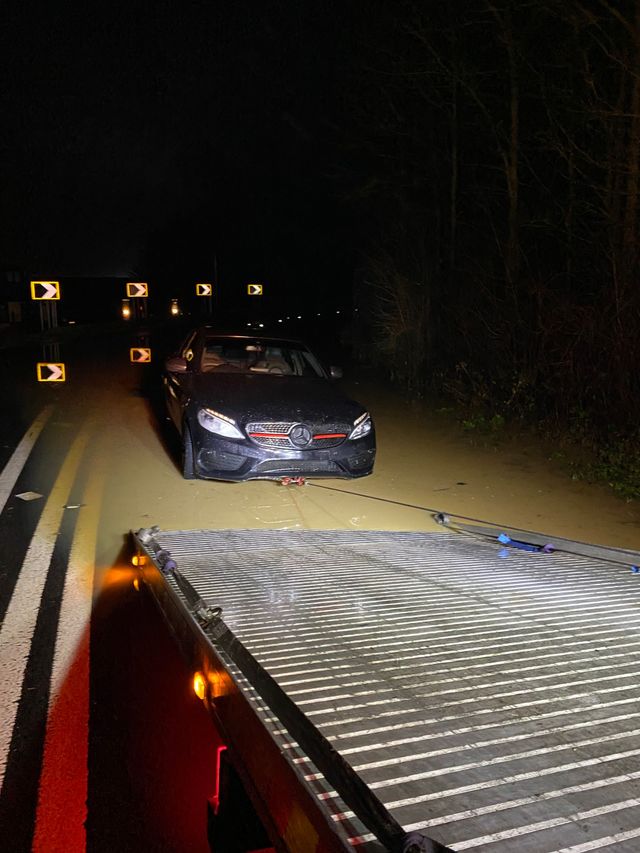
Weather conditions can also have an impact. In heavy rain, snow, or icy conditions, recovery takes longer and may require extra equipment. Difficult weather can slow down travel, increase fuel consumption, and make loading and unloading riskier, which all adds to the total cost. Time of day plays a role too, with evening and night callouts typically being more expensive due to the unsocial hours and limited availability of staff.
Additionally, if your breakdown occurs in a high-traffic area, recovery teams may be delayed or need to take alternative routes. This leads to longer completion times, higher labour and fuel costs, and potentially increased waiting fees if the vehicle can’t be moved immediately.
What if You’re Not Insured?
If your recovery situation isn’t covered by your insurance or breakdown plan, you’ll be responsible for paying the full amount directly to the recovery service provider. This is why it’s important to know the standard roadside recovery cost and to choose a company that is clear and upfront about its fees.
Prices vary across providers, but on average in the UK, the cost ranges between £1.50 and £3.00 per mile. In Harrow, the rates are generally within that range, though extra charges may apply for complex jobs, off-hours, or specific vehicle types. Ask for a full quote before agreeing to service so you understand what you're paying for. A reliable provider will always explain the pricing structure and be happy to answer questions.
Understanding what’s included in the price, from collection to drop-off, gives you peace of mind. You’ll also be in a better position to compare quotes fairly and avoid any companies that might try to exploit the urgency of the situation with inflated or misleading pricing.
Is There a Standard Cost Per Mile?
There isn’t a one-size-fits-all answer to what the car recovery cost per mile is because each job is different. While most companies operate within similar ranges, individual quotes will always depend on the specifics of your situation. The size of your vehicle, your location, how far you need to be towed, and what time of day it is will all influence the final figure.
Even your route matters. Some areas have low bridges, weight restrictions, or access limitations that affect the type of vehicle that can be sent to recover you. These details may seem minor but can have a noticeable effect on your total cost. Knowing the factors involved helps you anticipate what’s reasonable and what isn’t.
It also pays to plan ahead. While you may not want to think about breakdowns, knowing the typical costs involved and saving a reputable contact number can save you stress and money later on.
At
Car Recovery Harrow, we offer reliable, professional
vehicle recovery with honest pricing and no unnecessary upsells. We don’t provide on-site repairs or breakdown assistance — we focus purely on safe, efficient recovery of your vehicle to your chosen location.
Whether you're a bus driver needing urgent help, a car owner stuck outside your home, or a van driver with a tight delivery schedule, we’re here to assist. We understand that pricing clarity matters.
Our clients trust us for prompt response times, respectful service, and full transparency. We’re proud to serve Harrow and surrounding areas with professionalism and care. The next time you face a breakdown, you’ll know who to call.
Just out on X:
Car recovery cost per mile explained – where the costs come from!
You might also like